Mastering Seafood Tempura

Amit Sharma
| 23-01-2026
 · Food Team
Making seafood tempura is a delightful way to enjoy crispy, golden bites of shrimp, fish, and other seafood.
Whether you're an experienced home cook or a beginner in the kitchen, this guide will walk you through the steps to perfect this Japanese dish, ensuring that your tempura is light, crunchy, and delicious. Here's how to do it.
Choosing the Right Seafood
The key to perfect tempura lies in selecting fresh, high-quality seafood. You'll want seafood that's firm and mild in flavor to allow the batter to shine. Popular choices for tempura include shrimp, scallops, and white fish like cod or halibut.
Tips for choosing seafood:
1. Look for firm, non-slimy textures in shrimp and fish.
2. Fresh shrimp should have translucent shells and mild odor.
3. For an authentic twist, try adding squid or even lobster tails!
Preparing the Seafood
Before you start battering your seafood, make sure it's properly prepared. For shrimp, remove the shells and devein them. You can leave the tails on for presentation, which adds an elegant touch to your dish. For fish fillets, cut them into manageable pieces about 1 to 2 inches thick.
Step-by-step prep:
1. Peel and devein the shrimp, leaving tails intact if you prefer.
2. Cut fish fillets into even, bite-sized pieces.
3. Pat the seafood dry to ensure the batter adheres better.
The Perfect Tempura Batter
The batter is what makes tempura special – light, airy, and perfectly crispy. It's made from a simple combination of flour, cornstarch, cold water, and sometimes egg. The cold water is crucial because it helps create that light, crispy texture.
Here's the batter recipe:
1. 1 cup of all-purpose flour
2. 2 tablespoons of cornstarch
3. 1/2 teaspoon baking powder
4. 1 egg (optional for extra crispiness)
5. 3/4 cup of ice-cold water (you can add more if the batter is too thick)
Steps for making the batter:
1. Sift the dry ingredients (flour, cornstarch, and baking powder).
2. Whisk the egg (optional), then add the cold water.
3. Combine until just mixed – avoid overmixing, as this could make the batter too dense.
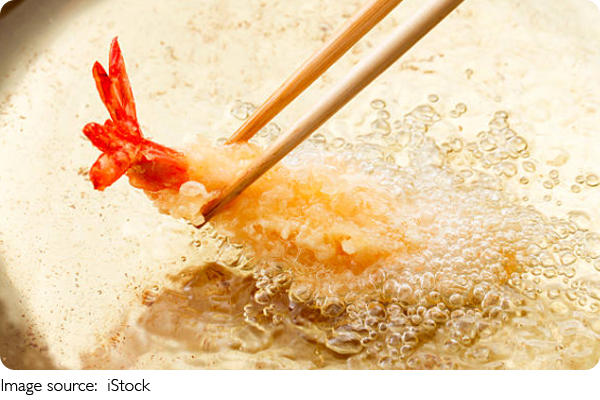
Frying the Tempura
The secret to tempura's light texture is frying at the right temperature – about 350°F (175°C). If the oil is too hot, your seafood will burn before the batter cooks. If it's not hot enough, the tempura will absorb too much oil and become soggy.
How to fry:
1. Heat a few inches of vegetable oil or canola oil in a deep frying pan or wok.
2. Once the oil reaches 350°F, dip the seafood into the batter and gently lower them into the hot oil. Don't overcrowd the pan!
3. Fry for 2-3 minutes until golden brown and crispy, then remove and drain on paper towels.
Pro Tip: Keep the oil at a steady temperature and check it with a thermometer. You can also test the temperature by dropping a small bit of batter into the oil – if it sizzles immediately, it's ready.
Serving Tempura
Tempura is typically served hot, right after frying, to retain its crispiness. A light dipping sauce (tentsuyu) made from soy sauce, and dashi is the perfect complement. You can also serve it with a side of steamed rice or as part of a larger meal.
Serving suggestions:
1. Serve tempura on a platter with shredded daikon radish or lettuce to absorb excess oil.
2. Dip your seafood in tentsuyu, or opt for a simple lemon wedge for a zesty kick.
Final Tips for Success
Making perfect tempura doesn't have to be difficult. By choosing fresh seafood, making a light batter, and frying at the right temperature, you'll create a dish that's both crispy and flavorful.
Final tips:
1. Keep your batter cold and work quickly to maintain that perfect crunch.
2. Don't overmix the batter – lumps are fine, they'll create an extra-crispy texture!
3. Serve your tempura immediately for the best texture.
Now that you know the basics of making seafood tempura, it's time to get cooking! With these simple steps, you'll be able to impress your friends and family with this crispy, light Japanese treat. Enjoy!